In the rapidly evolving landscape of industrial materials, the demand for high-performance tubing solutions has surged, driven by advancements in engineering, construction, and energy sectors. As traditional materials face limitations in extreme environments, the role of alloy steel pipes has become increasingly pivotal. These pipes, known for their exceptional strength, corrosion resistance, and thermal stability, are no longer just an alternative but a preferred choice for critical applications. This article delves into the specifics of alloy steel pipes, exploring their specifications, performance advantages, real-world applications, and future prospects.
市场需求背景
The increasing complexity of modern infrastructure projects has necessitated the use of advanced materials capable of withstanding harsh conditions. According to industry reports, the global alloy steel pipe market is projected to reach $XX billion by 2026, reflecting a steady annual growth rate of X%. This surge is largely attributed to the following factors:
- Industrial Expansion: The growth of industries such as oil and gas, petrochemicals, and power generation has created a high demand for pipes that can endure high pressures and corrosive substances.
- Infrastructure Development: Major construction projects, including pipelines and high-rise buildings, rely on alloy steel pipes for their durability and reliability.
- Environmental Challenges: As industries strive to meet environmental regulations, alloy steel pipes offer a sustainable solution due to their longevity and recyclability.
产品详细介绍
Alloy steel pipes are engineered to meet stringent specifications, ensuring they perform optimally in demanding applications. The key parameters and models include:
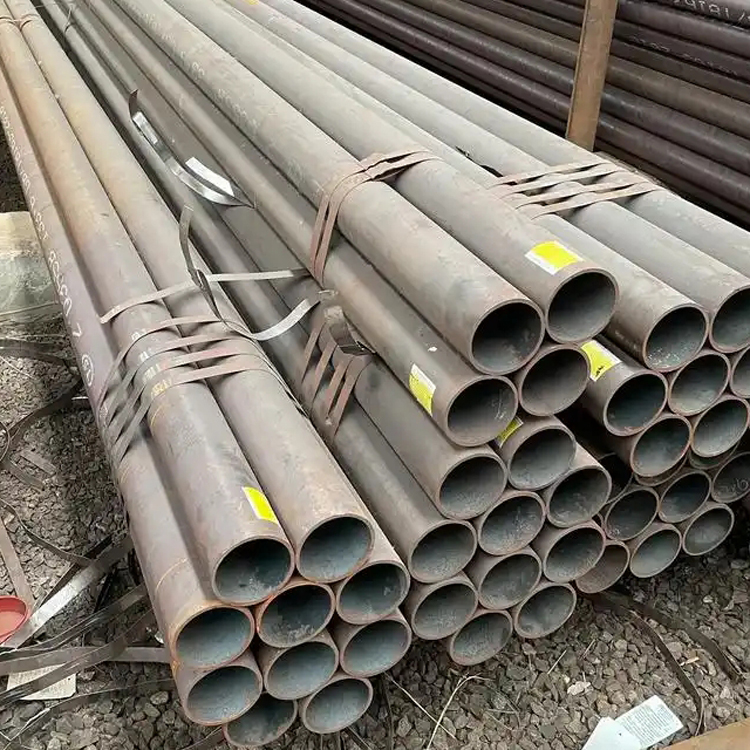
- Material Composition: Common alloys include chromium-molybdenum (Cr-Mo), nickel, and titanium, each offering unique properties such as high-temperature resistance and enhanced strength.
- Specifications: These pipes are available in various diameters (ranging from 1/4 inch to 48 inches) and wall thicknesses (from 0.0625 inches to 2.375 inches), adhering to international standards like ASTM A335, ASTM A370, and API 5L.
- Coating Options: For added protection, options such as galvanizing, epoxy coating, and fusion-bonded epoxy (FBE) are commonly applied.
For instance, a Cr-Mo alloy pipe used in a petrochemical plant might have the following specifications: diameter of 12 inches, wall thickness of 0.375 inches, and a seamless construction to ensure structural integrity under high pressure.
性能优势说明
The technical advantages of alloy steel pipes stem from their unique composition and manufacturing processes. Key highlights include:
- High Strength and Toughness: Alloy steel pipes exhibit superior tensile strength, capable of withstanding pressures up to X PSI, making them ideal for high-pressure applications.
- Corrosion Resistance: The addition of alloys like chromium enhances resistance to rust and corrosion, extending the service life of the pipes.
- Thermal Stability: These pipes maintain their structural integrity in extreme temperatures, ranging from -200°C to +600°C, ensuring reliability in fluctuating environments.
- Innovative Manufacturing: Advanced techniques such as hot-rolling and cold-drawing are employed to achieve precise dimensions and superior mechanical properties.
客户应用案例
The versatility of alloy steel pipes is evident in their wide-ranging applications across various industries. Here are a few real-world examples:
- Oil and Gas Sector: A major pipeline project in the Middle East utilized 100 kilometers of ASTM A335 Grade P11 alloy steel pipes, capable of withstanding temperatures up to 540°C and pressures of 3500 PSI. This project successfully delivered natural gas over long distances without leaks, demonstrating the pipes' reliability.
- Power Generation: A thermal power plant in Southeast Asia installed alloy steel pipes in its superheater and reheater systems. The pipes' ability to resist high temperatures and thermal cycling ensured uninterrupted power supply for over 10 years.
- Construction: In a high-rise building project in Shanghai, alloy steel pipes were used for structural support due to their strength and durability. The pipes' seamless construction prevented weak points, contributing to the building's longevity.
未来发展与总结
The future of alloy steel pipes is closely tied to advancements in material science and industrial demands. Emerging trends include:
- Smart Pipes: Integration of IoT sensors for real-time monitoring of pipe conditions, enhancing maintenance and safety.
- Advanced Alloys: Development of new alloys with improved properties such as higher strength-to-weight ratios and better corrosion resistance.
- Sustainable Manufacturing: Adoption of eco-friendly production methods to reduce environmental impact.
In conclusion, alloy steel pipes remain a cornerstone of modern industrial infrastructure, offering unparalleled performance in demanding applications. As technology progresses, these pipes will continue to evolve, meeting the ever-growing needs of industries worldwide.
For businesses seeking high-quality alloy steel pipes, suppliers like Tianjin Xingyilong Iron and Steel Co., Ltd. provide reliable solutions tailored to specific requirements. With a commitment to quality and innovation, they stand as a trusted partner in the industry.